

A golf-course view can be a lovely part of a Palm Aire home search, but it doesn’t necessarily come with access to the course. Before making an offer, ask how golf privileges, association rules, reserves, seasonal use, and the view itself affect the property you’re considering. These six questions can help you look beyond the listing photos and compare the full cost of ownership.
1. What golf access comes with the home?
In a golf-oriented community, proximity to a course and the right to play it are two different things. A listing may mention fairway views or nearby golf without including a membership, preferred tee times, or any other playing privileges. Start by asking exactly what access, if any, transfers with the property.
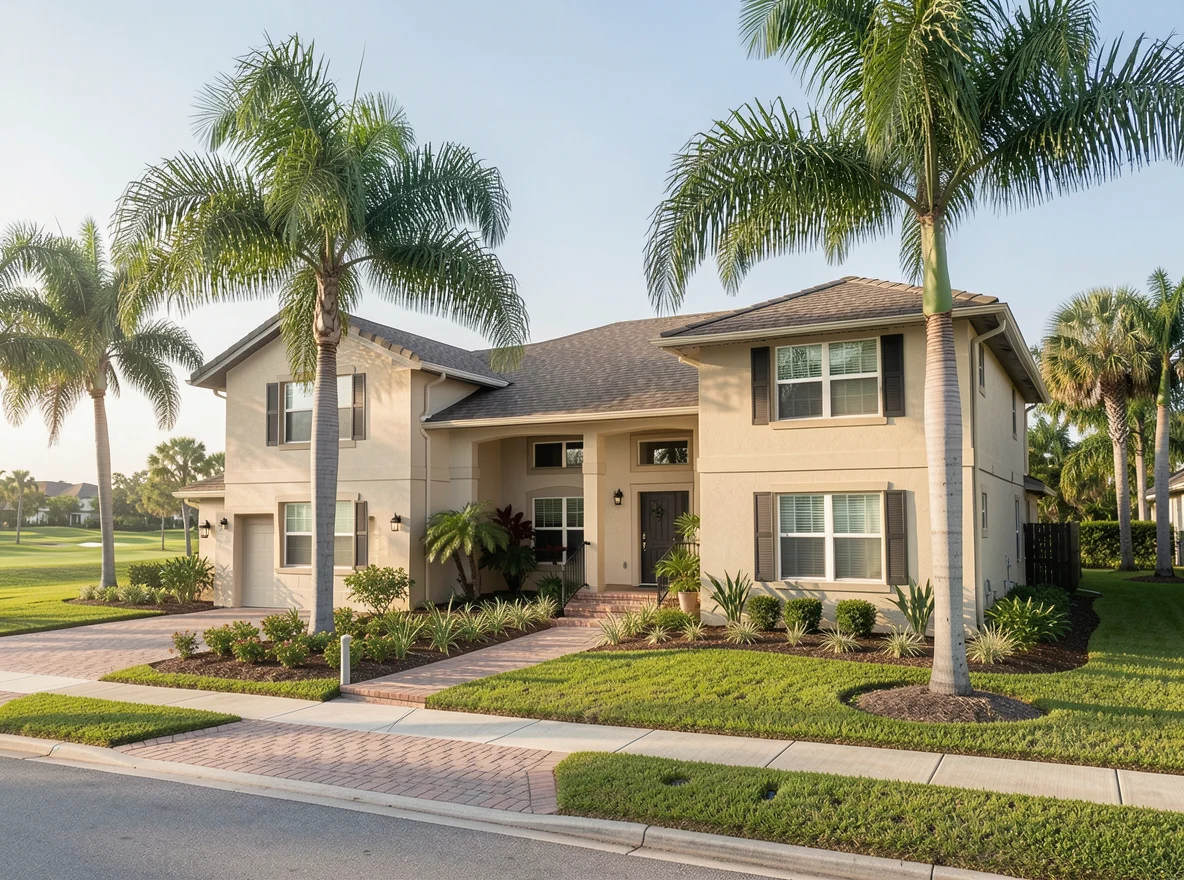
Ask the course or club directly about public play, membership availability, guest policies, and how tee times are reserved. Fees and access arrangements can change, so verify the current terms rather than relying on an older listing or a neighbor’s experience. If playing regularly matters to you, consider how far ahead you’ll need to book during your preferred season.
A fairway view is not the same as golf access. Confirm playing privileges and costs with the course or club before treating them as part of the purchase.
Also ask whether ownership in a particular building or association affects access at all. Some arrangements may be entirely separate from the home purchase. Having the answers in writing makes it easier to compare properties on the basis of what you can actually use, not just what appears nearby.
2. How is membership structured, and what does it cost?
If you’re considering a membership, request the current membership materials and review them alongside your housing budget. Ask whether joining is optional or required for the property, whether memberships are available, and what happens if the home changes hands. Don’t assume a seller’s membership automatically transfers.
Look beyond the headline dues. Depending on the club and membership type, there may be initiation charges, recurring dues, cart fees, guest fees, or other expenses. Ask about payment schedules, cancellation terms, and whether certain amenities or tee times have separate restrictions. If you plan to spend only part of the year in the area, check whether the available arrangements suit that schedule.
Compare those costs with the alternative of paying for individual rounds, if that option is available. The most useful calculation is personal: estimate how often you expect to play and which privileges you value, then confirm the current details with the provider before making a decision.
3. Which association rules apply to the condo or villa?
Association requirements can differ from one property to another, even within the same broader community. Ask for the governing documents, current rules, budget, and any relevant application information for the specific home. Read them before your applicable contract deadlines, with help from your real estate professional or attorney when needed.
Focus on the details that affect how you intend to use the property: leasing restrictions, guest policies, pet rules, parking, renovation approvals, and responsibility for maintenance. If you’re considering a condo, find out which components are maintained by the association and which remain the owner’s responsibility. For a villa, ask the same questions rather than assuming the boundaries are identical.
It’s also worth confirming the monthly or quarterly assessment and what it includes. Services, amenities, insurance coverage, and maintenance responsibilities can vary. Ask whether there are additional associations or fees tied to the property, and check application requirements and any approval timelines that could affect closing.
4. What do the reserves and financial records reveal?
A property’s purchase price is only one part of the financial picture. Review the association’s current budget, reserve information, recent financial statements, and meeting minutes when available. These documents can help you understand planned maintenance, known projects, and how the association is preparing for future expenses.

Ask whether any special assessments have been approved, proposed, or discussed, and clarify who would be responsible for payments under the purchase contract. Investigate major upcoming work and the association’s insurance arrangements as well. A low regular assessment alone doesn’t tell you whether future expenses are adequately planned for.
Request the budget, reserve information, and assessment history for the specific association—not just a general description of the community.
If you’re financing, share the property and association details with your lender early. Lenders may need to review association information as part of the loan process. An attorney, accountant, insurance professional, or qualified association specialist can help you interpret documents and identify questions that deserve a closer look.
5. How does seasonal activity affect everyday use?
Visit or ask questions about the property at different times of day, and consider how your preferred months of use may affect the experience. Golf traffic, parking availability, guest activity, and demand for amenities can vary. Ask the association and course operators about hours, reservation practices, and any seasonal changes that matter to you.
If you expect to be away for extended periods, check requirements for maintaining the home while it’s vacant. Ask about package handling, access for service providers, and rules for having someone check on the property. Your insurance professional can also explain any policy conditions associated with an unoccupied or periodically occupied home.
6. What does the golf-course view look and feel like in practice?
A view can be a daily pleasure, but photos rarely show everything. During a visit, notice the distance between the home and the course, the direction of sunlight, landscaping, and the degree of privacy from patios or windows. Ask about course maintenance schedules, irrigation, and potential exposure to golf balls where relevant.
Look from the rooms and outdoor spaces you expect to use most. A pleasant view from one window may not be visible throughout the home, and vegetation can change over time. Ask who maintains the landscaping and whether there are restrictions on screening or exterior changes. Treat the current view as something to assess, not a guarantee that the surroundings will remain unchanged.
Bring the answers together before you decide
The best comparison combines the home itself with verified golf access, association documents, ongoing costs, and the way you expect to use the property. Keep a written list of answers for each home, and allow time for document review, inspections, financing, and insurance questions within your contract’s deadlines.
Chahnaz Homayssi of Signature Florida can help you explore Palm Aire properties and organize the questions to ask as you compare options. A conversation early in your search can help you focus on the details that matter before you make an offer.