
A Jacksonville home’s roof, drainage, windows, cooling system, and outdoor spaces can shape how it handles heat, rain, and humidity. Comparing these features before you make an offer can help you anticipate maintenance, ask better inspection questions, and budget for insurance and improvements.
Look beyond the listing photos
A bright kitchen or inviting backyard can make a strong first impression, but a home’s less visible features often deserve just as much attention. In Jacksonville, periods of intense heat, heavy rain, and tropical weather make it useful to look closely at how a property manages water, airflow, and exposure to the elements.
That applies whether you are comparing an older home with established landscaping or a newer property with contemporary finishes. Neither age nor appearance tells the whole story. Maintenance records, inspections, and insurance quotes can help you understand what you are buying and what you might need to address later.
1. Roof condition and documentation
Start with the roof’s age, material, and maintenance history. Ask when it was installed, whether permits and warranties are available, and whether any leaks or repairs have been documented. Look for signs that merit a closer look, such as damaged shingles, staining on ceilings, or visible deterioration around roof penetrations.
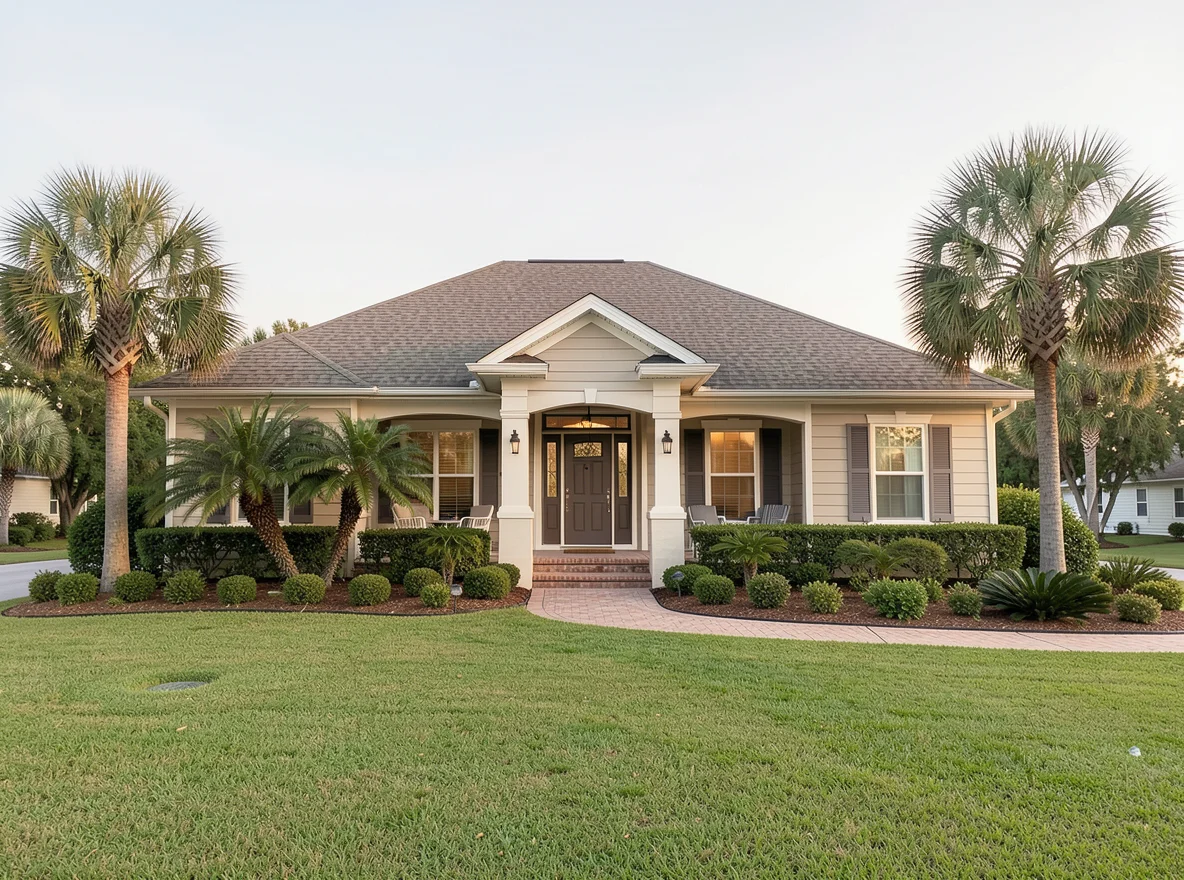
A roof that looks neat from the street may still have issues that only an inspection reveals. Ask a qualified inspector or roofer about its condition, flashing, ventilation, and any concerns that warrant further evaluation. A newer roof is useful information, but installation quality and documentation matter too.
Roof details can also affect insurance availability and cost. Before your inspection and financing deadlines, share the property information with an insurance agent and ask what documentation the carrier needs. If a wind-mitigation inspection is appropriate, ask a qualified inspector whether the home has features that may qualify for insurance credits; eligibility and savings depend on the property and insurer.
A roof’s installation date is only one part of the picture. Condition, documentation, and the insurer’s requirements can all influence your next steps.
When comparing homes, consider the likely cost and timing of repairs rather than assuming one roof type is automatically better. If work is needed, obtain a professional estimate and discuss your options with your agent before making a decision.
2. Drainage and flood considerations
Water management starts outside. During a tour, notice whether the ground appears to slope away from the home, where downspouts discharge, and whether there are signs of standing water or soil erosion. Check patios, driveways, and areas near exterior doors for stains or other clues that water may collect there.
Ask the seller about past water intrusion and drainage work, and review available disclosures. If possible, revisit the property after rain, while recognizing that one visit cannot reveal every drainage issue. An inspector or drainage specialist can help evaluate concerns and recommend whether further investigation is needed.
Flood exposure is a separate question from routine yard drainage. Review the property’s current flood-zone information and ask an insurance professional about flood coverage, cost, and any lender requirements. Standard homeowners insurance generally does not cover flooding, and flood risk can exist outside mapped high-risk zones. Confirm the details for the specific address and policy.
3. Windows and storm protection
Windows affect more than natural light. Their condition, seals, and operation can influence comfort and maintenance, while the type of storm protection in place can affect how you prepare for severe weather. Ask whether the home has impact-rated windows, shutters, or another protection system, and request available permits or product documentation.
Check whether windows open and close as intended, and look for damaged frames, visible gaps, or moisture between panes. A home inspector can identify concerns, but a window specialist may be useful when you need a replacement estimate or help understanding an existing system.
Do not assume every opening is protected because some windows appear to be impact-rated. Ask about doors, garage doors, and other openings as well. If shutters are included, confirm that the necessary panels and hardware are present and understand how they are installed. An insurance agent can explain what documentation may be relevant to a quote.
4. HVAC performance and humidity control
Reliable cooling is important in a warm, humid climate, but the equipment’s age alone does not tell you how well it works. Ask for service records, the installation date, and information about any recent repairs. During an inspection, have the system evaluated for its visible condition and operation, and follow up with an HVAC professional when recommended.

Pay attention to musty odors, condensation, or rooms that feel noticeably different from the rest of the house. These observations do not establish a cause, but they are worth discussing with an inspector. Ductwork, insulation, ventilation, and maintenance can all play a role in comfort and moisture control.
Ask how filters are accessed, whether the condensate drain has been maintained, and what routine service the equipment needs. If the system is older or has an uncertain history, an estimate for repair or replacement can make your budget more realistic. Utility costs vary with the home and its use, so request available utility history rather than relying on assumptions.
A cool room on showing day is not a complete HVAC evaluation. Service history, airflow, and signs of excess moisture deserve attention too.
5. Screened spaces and moisture-conscious materials
A screened porch or patio can extend the usable living area while offering shade and a barrier against insects. Look beyond the pleasant setting: check the screens, framing, roof connection, and drainage. Ask whether the enclosure was permitted and whether any repairs are documented, especially where it attaches to the house.
Indoors and out, consider how materials have held up to moisture and regular cleaning. Examine trim near doors and windows, flooring around wet areas, and exterior surfaces exposed to rain. Peeling paint, soft wood, or staining may call for a closer inspection; they are not, by themselves, proof of a major problem.
Think about maintenance as part of long-term fit. A shaded outdoor space may be appealing, but screens and finishes need upkeep. Durable materials and documented repairs may also matter to future buyers, although no feature guarantees a particular resale result.
Bring the details together
For each home, make a simple comparison: note the roof and HVAC history, drainage observations, storm-protection documentation, insurance estimates, and any expected repairs. Include inspection costs and potential improvements in your overall budget, not just the purchase price. Where information is missing, identify who can help answer the question before your contractual deadlines.
A thoughtful comparison can make it easier to weigh an older home’s character against a newer home’s features without assuming either is maintenance-free. Chahnaz Homayssi can help you organize your Jacksonville search and discuss the next steps for evaluating properties that meet your priorities.