

The purchase price is only the beginning of a near-water home budget in Pompano Beach. Insurance, association expenses, waterfront structures and salt-air maintenance can change the numbers substantially. Investigating these seven costs before you commit can help you compare properties with greater confidence.
Start With the Full Cost of Ownership
A canal view or a short trip to the beach can make a home memorable, but the details behind the view deserve just as much attention. Whether you are considering a condo or a single-family property, build a budget around the specific home rather than relying on the asking price alone.
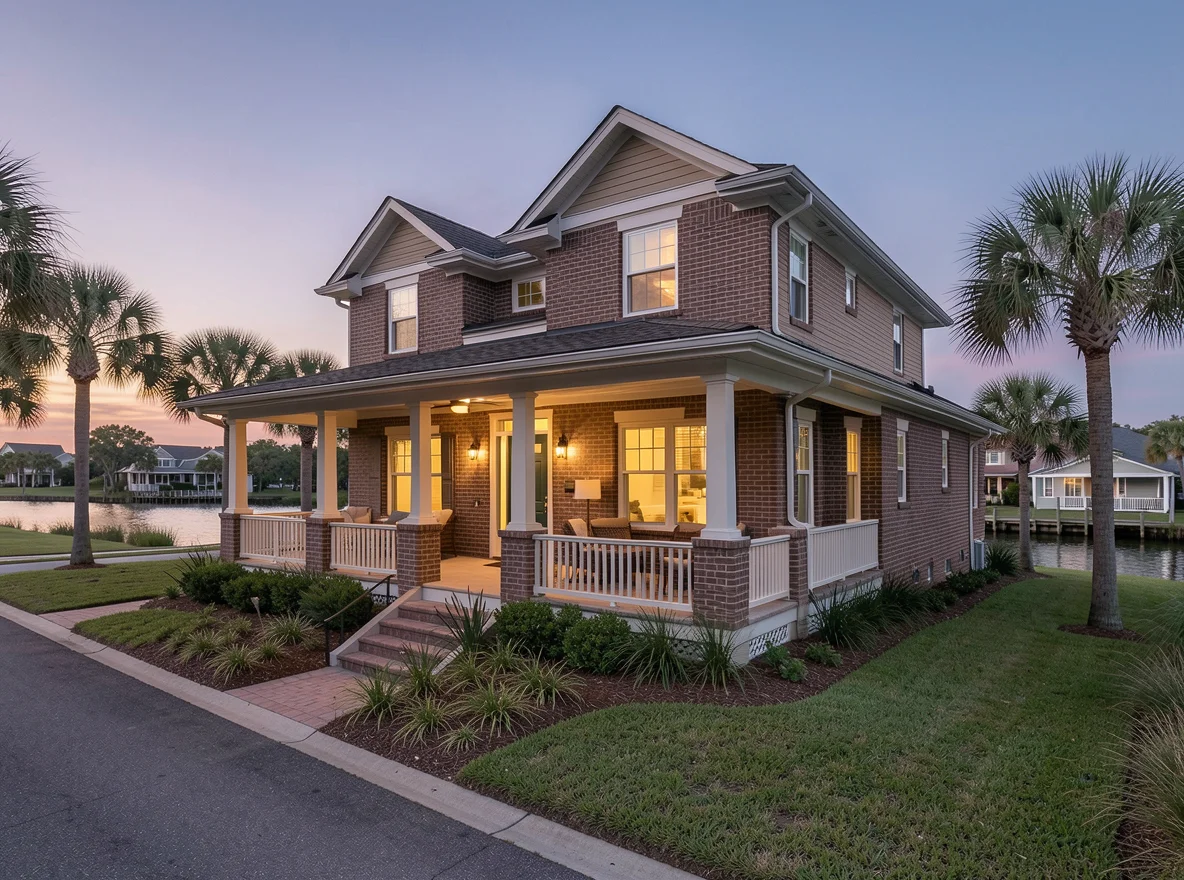
For buyers exploring homes in the $400,000 to $900,000 range, two similarly priced properties can have very different monthly and long-term expenses. One may have an association fee that covers exterior insurance; another may leave the owner responsible for a roof, seawall and separate policies. Neither arrangement is automatically better—the important step is understanding what is included.
Before touring, speak with a lender about your down payment, available loan programs and a comfortable monthly payment. Ask for a preliminary estimate that includes taxes, insurance and any association dues, then keep funds available for inspections, closing expenses and future repairs. A local real estate professional such as Chahnaz Homayssi can help you identify property-specific questions to investigate as your search takes shape.
1. Homeowners and Windstorm Insurance
Insurance is a property-specific expense, not a reliable percentage of the listing price. Roof age and condition, construction features, prior claims, deductibles and the coverage you select can all affect a quote. In South Florida, ask how the policy addresses windstorm damage and whether a separate hurricane deductible applies.
Contact an insurance professional early with the property address and available details. Ask what inspections or documentation may be needed, what the deductible would mean in dollars, and whether the quoted coverage meets your lender’s requirements. For a condo, compare the association’s master policy with the coverage you would need for your unit and belongings.
A lower premium can come with a higher deductible. Compare the potential out-of-pocket cost after a storm, not just the monthly payment.
2. Flood Coverage and Flood Risk
Standard homeowners insurance generally does not cover flooding, so ask for a separate flood insurance quote even if a property is not directly on the water. A lender may require coverage depending on the property’s location and financing; a home outside a high-risk flood zone can still experience flooding. Flood maps are one useful reference, not a guarantee of future conditions.
Ask the insurer about coverage limits, exclusions, deductibles and any waiting period. Review available elevation information and ask about prior flooding or water intrusion. If you are buying a condo, find out what the association’s flood policy covers and what remains your responsibility. Confirm the details before your contract deadlines make it difficult to adjust course.
3. Property Taxes
Do not assume the seller’s current tax bill will become yours. A change in ownership can affect a property’s assessed value and available exemptions, so the number shown in a listing may not reflect your future bill. Ask your lender or a tax professional for an estimate based on your circumstances, and check the relevant county property appraiser’s information.
Taxes are often collected as part of a monthly mortgage escrow payment, but the lender’s initial estimate can change when updated bills arrive. Include a cushion in your budget and ask how escrow adjustments work. If you qualify for an exemption, confirm the application requirements and deadlines rather than assuming it will be applied automatically.
4. HOA and Condo Fees
Association dues can cover valuable services, but the amount and scope vary by community. Review what is included—such as building insurance, exterior maintenance, landscaping, amenities or utilities—and compare that with costs you will pay separately. Ask about payment frequency, recent fee changes and any approved or proposed special assessments.
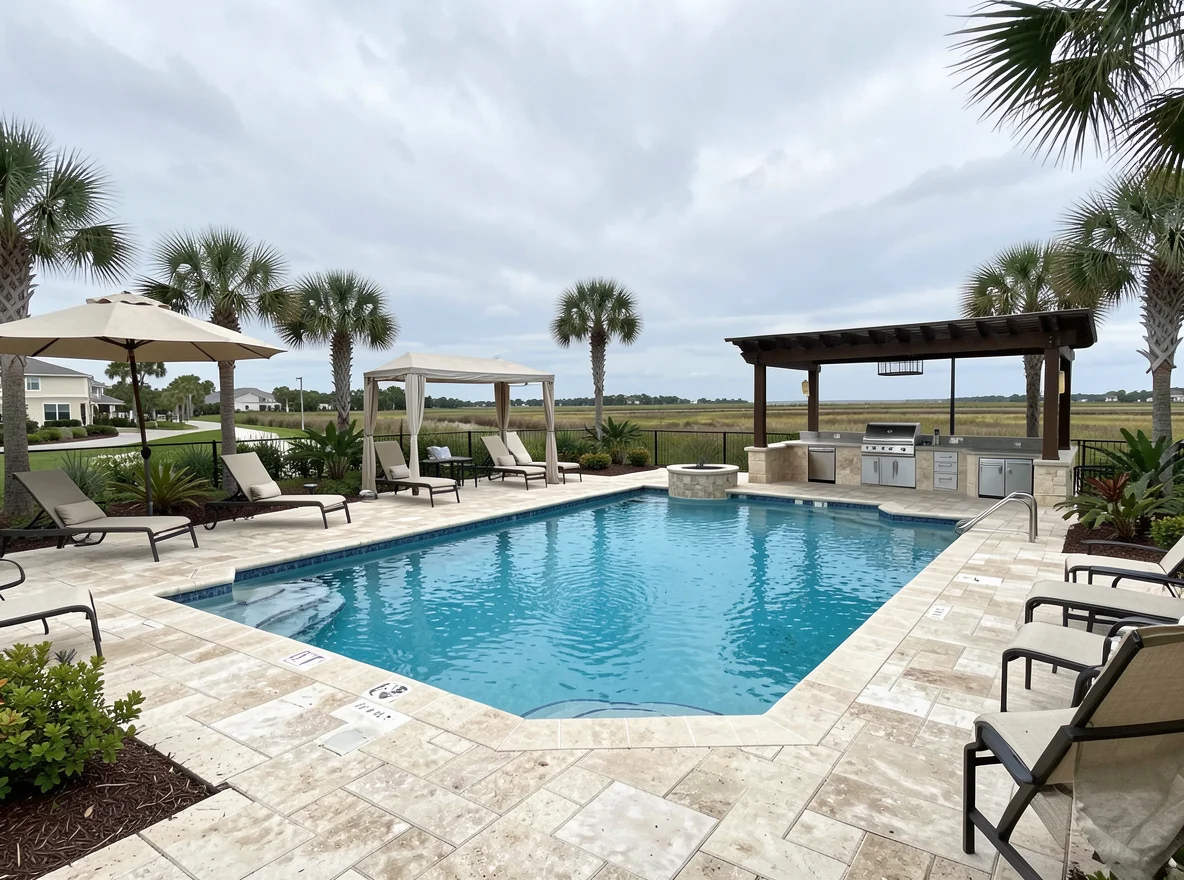
Request the association’s budget, financial statements, governing documents and available inspection or reserve reports. Pay attention to planned projects and how they may be funded. A well-maintained building still needs ongoing investment, and a low fee alone does not tell you whether enough money has been set aside for major work.
Also ask about approval procedures, rental restrictions, parking, pets and renovation rules if those details matter to your plans. Your lender should review the building’s eligibility for the loan you are considering; a preapproval for you does not necessarily mean every condo will qualify. An attorney or other qualified professional can help interpret documents and applicable deadlines.
5. Seawalls and Shoreline Structures
For a waterfront property, determine whether a seawall or other shoreline structure exists, who owns it and who is responsible for maintaining it. Ownership boundaries and obligations may differ from what is visible during a showing. Ask for permits, repair records, warranties and any available inspection reports, and have a qualified marine contractor assess the structure when appropriate.
Repair or replacement can be a significant expense, and the scope depends on the property and the work required. Check whether permits or approvals may be necessary before making changes. If a structure is shared or association-maintained, review how those costs are divided and whether a project or assessment is under consideration.
A seawall’s appearance from the patio is not a substitute for a qualified inspection. Ask about condition, ownership and repair responsibility before removing your inspection protections.
6. Docks and Waterfront Access
A dock can add useful access to the water, but it also brings questions about condition, upkeep and permitted use. Ask whether it is included in the sale, review available permits, and check who maintains any pilings, lifts, electrical service or shared components. If you plan to keep a boat, investigate access, water depth and any applicable restrictions rather than assuming the existing setup will meet your needs.
Consider the cost of repairs, marine equipment and insurance as part of your ownership plan. An inspection by an appropriate specialist can help identify issues that a general home inspection may not fully address. Ask the insurer and lender whether the dock or lift requires additional documentation or coverage.
7. Coastal Maintenance and Repair Reserves
Salt air, humidity, sun and storms can affect exterior finishes, metal hardware, windows, air-conditioning equipment and outdoor living areas. Set aside money for routine service as well as larger replacements, and review the age and condition of major systems before deciding how much of your savings to commit at closing.
A general home inspection can help you build a repair list, while a roofer, HVAC technician or other specialist can provide more focused advice where needed. Ask for service records and estimates for significant concerns. These costs are not limited to waterfront houses: a near-water condo may also have unit-level responsibilities, even when an association handles the building exterior.
Turn Your Research Into an Offer Plan
Once you find a property, compare the purchase price and estimated monthly payment with the insurance quotes, tax estimate, dues and maintenance information you have gathered. Discuss financing and inspection timelines with your lender and real estate professional before making an offer. Your contract may provide opportunities to investigate the property and financing, but the available protections and deadlines depend on its terms.
During the contract period, schedule inspections promptly, review association materials if applicable and update your budget as quotes and estimates arrive. Before closing, review the lender’s closing disclosure, confirm your funds and insurance arrangements, and complete a final walkthrough. Ask questions about any unexpected changes rather than treating the initial estimate as the final figure.
Buying near the water is easier to evaluate when the view and the obligations are considered together. Chahnaz Homayssi can help you explore Pompano Beach properties and organize the questions to bring to your lender, insurer, inspector and other qualified advisers.